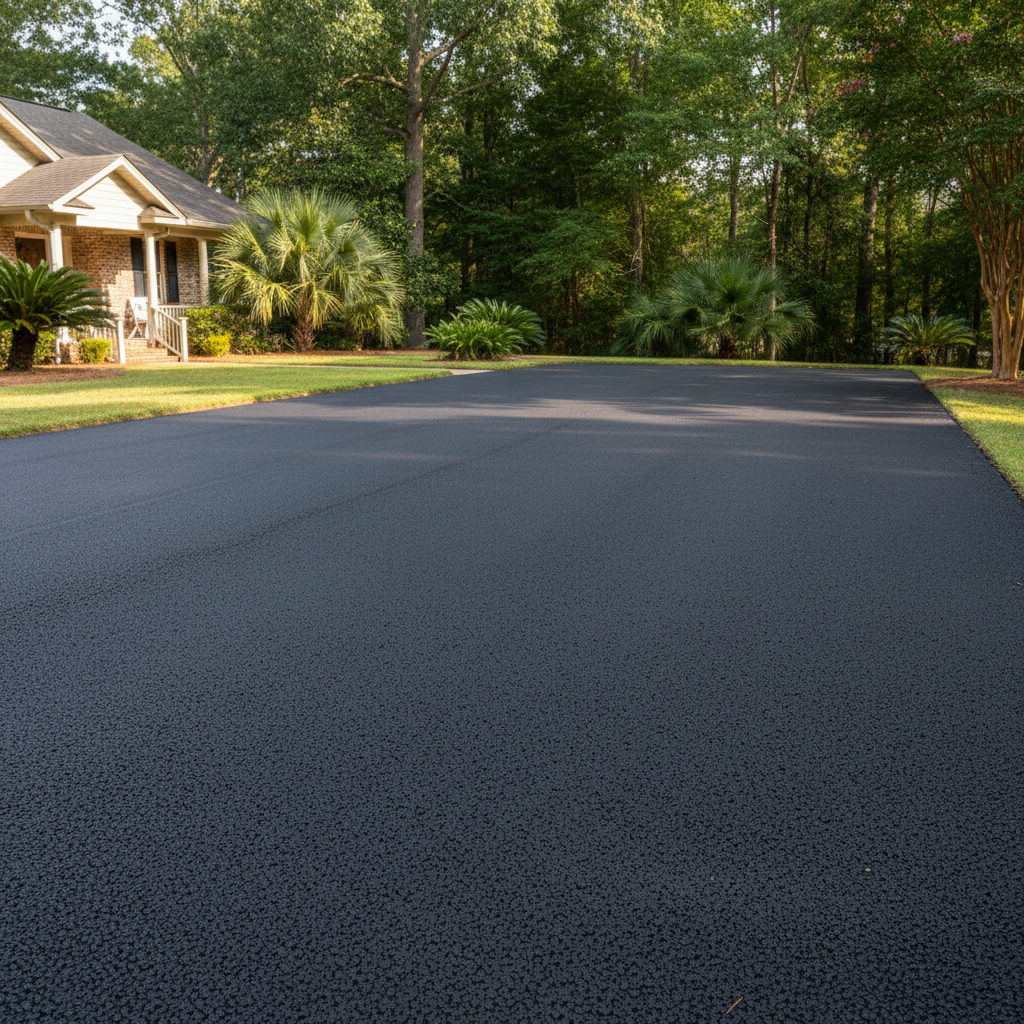
What's the difference between residential and commercial asphalt?
You'd think asphalt is just asphalt, right? Well, not exactly. The big difference comes down to the mix itself and how thick we lay the layers. Commercial asphalt, like what we put down for a shopping center or an apartment complex parking lot, is built to handle much heavier loads and way more traffic than your average residential driveway. We're talking about delivery trucks, dumpsters getting picked up, and hundreds of cars constantly turning and stopping all day long. This means a tougher aggregate blend, often more binder, and usually thicker base and surface courses. Your driveway might be 2-3 inches thick, but a commercial lot could easily be 4-6 inches or even more, depending on how much traffic it's expected to see. It's really designed to last under serious strain, not just your family sedan.
Do I need a permit for commercial asphalt work on my property?
This is a big one, and the answer is almost always yes, you do. Any significant paving project, especially for a commercial property or even a large home-based business, typically requires permits from the City of Montgomery Planning Department. Sometimes, you'll even need one from the Montgomery County Engineering Department, depending on where your property sits and if it touches public right-of-way. They'll want to review things like drainage plans, ADA compliance for parking spaces and ramps, and how the new paving connects to existing infrastructure. Don't skip this step! Getting caught without the right permits can lead to hefty fines, stop-work orders, and even having to tear out perfectly good work. We always help our clients through this process, because it can be a real headache if you don't know the ropes.
How long does a commercial asphalt project usually take?
That's like asking how long a piece of string is, but I can give you a general idea. A small commercial lot, say for a duplex or a small office, might take a few days from start to finish. That includes site prep, grading, and paving. A larger project, like a big retail parking lot or an industrial complex, could easily stretch into weeks, especially if there's extensive excavation, drainage work, or multiple phases involved. Weather plays a huge role here in Montgomery; those summer thunderstorms can shut us down for a day or two, pushing schedules back. We always try to give a realistic timeline upfront, factoring in potential delays like rain or utility conflicts.
What's the best time of year to pave a commercial lot in Montgomery?
Hands down, spring and fall are ideal. The reason is temperature. Asphalt needs to be laid and compacted when the ground and air temperatures are within a certain range for proper curing and longevity. In Montgomery, our summers get brutally hot, and while we *can* pave then, it requires extra care to prevent issues like premature cracking or rutting. Winter, especially when temperatures dip below 40-50 degrees Fahrenheit, isn't great either because the asphalt cools too quickly, making it hard to achieve proper compaction. So, if you're planning a project, aim for March through May or September through November. That's when you'll get the best results from Quantum Asphalt Solutions.
How often should a commercial parking lot be sealcoated or maintained?
For commercial properties, I generally recommend sealcoating every 2-3 years. This isn't just about making it look good; it's about protecting your investment. Commercial lots take a beating from heavy traffic, oil spills, and our intense Alabama sun. Sealcoating replenishes the asphalt's binders, prevents oxidation, and helps resist cracking. Beyond sealcoating, you'll want to do regular crack filling as soon as you see them appear. Cracks are like open wounds for your pavement – water gets in, freezes (even in Montgomery, we get some cold snaps!), expands, and makes the problem way worse. Good maintenance extends the life of your lot significantly.
What are the common causes of commercial asphalt failure?
Most failures I see boil down to a few key culprits. First, an inadequate base. If the subgrade isn't properly compacted and stable, the asphalt on top won't last, no matter how good it is. Second, poor drainage. Water is asphalt's worst enemy. If water sits on the surface or seeps into the base, it'll degrade the pavement quickly. Third, an improper asphalt mix or thickness for the traffic volume. If you're running heavy trucks over asphalt designed for cars, it's going to fail, plain and simple. Lastly, lack of maintenance. Skipping sealcoating and crack filling lets minor issues become major, expensive problems. We see a lot of older lots in areas like Cloverdale that just weren't built to handle today's traffic without regular upkeep.